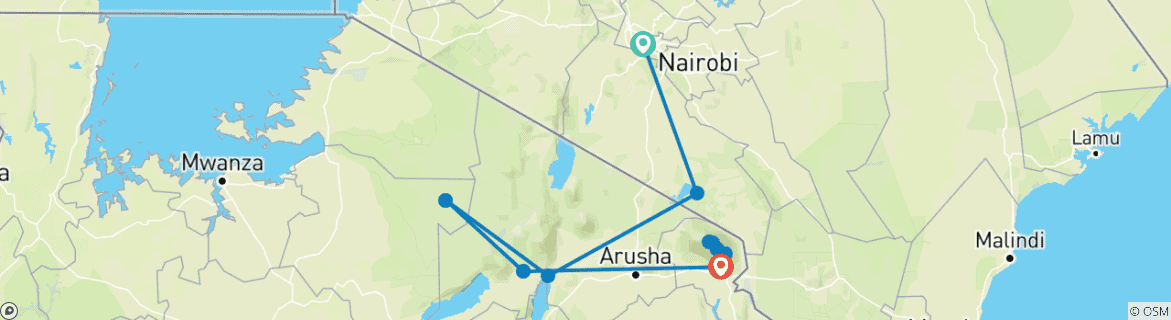
Itinerary
- Day 1
Nairobi
You'll land in Nairobi and get settled into your accommodation. This is where your East African adventure kicks off, so take time to rest from your flight and get your bearings. Walking around the hotel area or grabbing dinner locally helps you start adjusting to the time zone. By evening, you'll be ready for the journey ahead.
- Start point
- Nairobi, Kenya (Main Enterance, 00:00 - 00:00)
- Day 2
Nairobi to Amboseli National Park
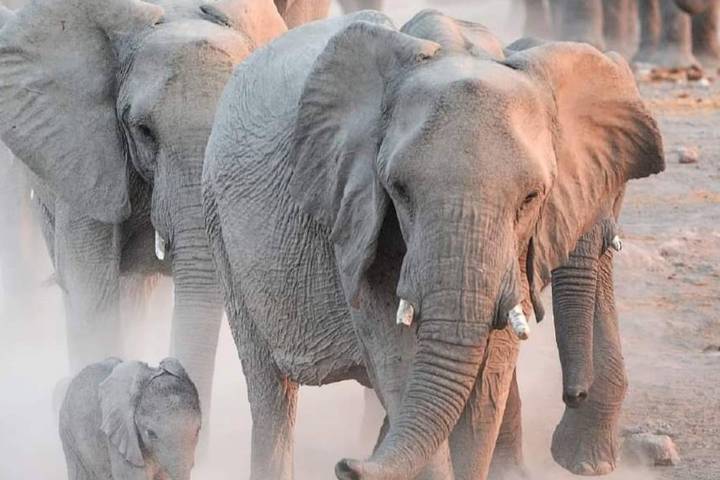
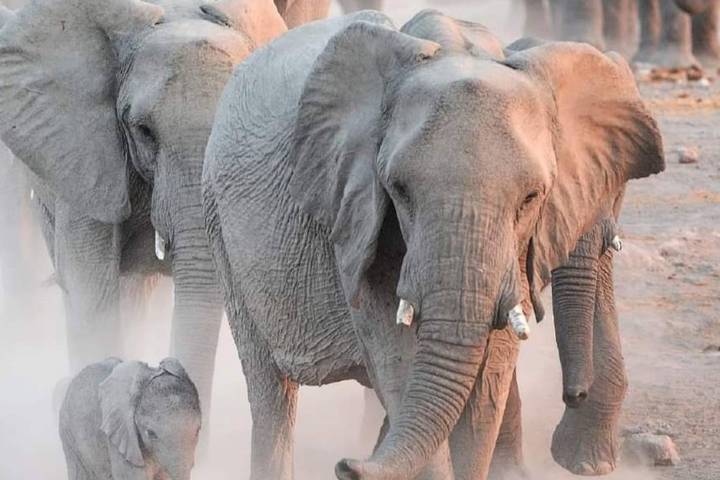
After heading to Amboseli National Park, you'll have plenty of chances to see wildlife with Mount Kilimanjaro as the backdrop across the border in Tanzania. The park sits at about 3,600 feet elevation and offers good game viewing, especially around the watering holes. Bring binoculars and a camera because elephants, lions, and other animals come through regularly.
Landmarks Amboseli National Park 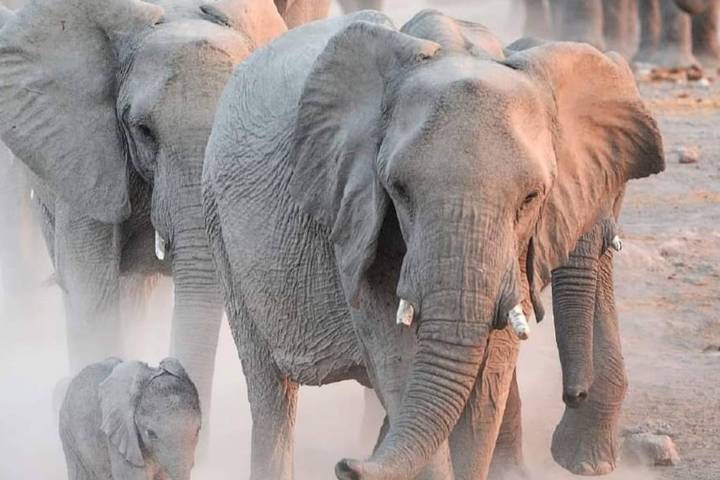
- Day 3
Amboseli National Park to Mto Wa Mbu
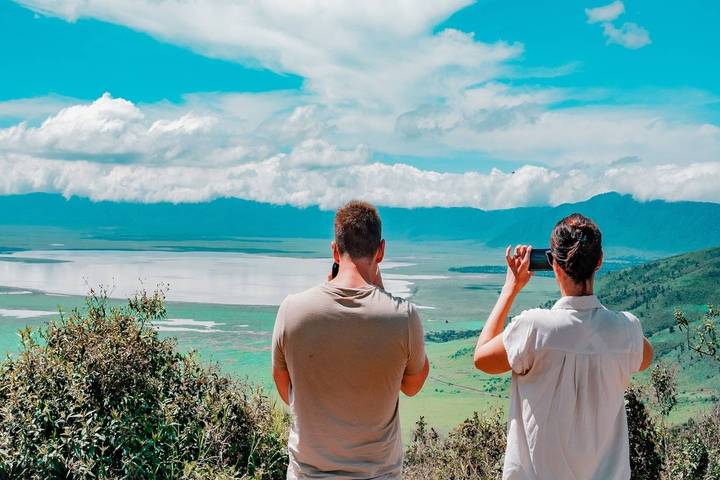
From Amboseli you'll travel to Mto Wa Mbu, a small town that sits at a crossroads between different landscapes. The location gives you a mix of wildlife viewing opportunities and time to interact with local communities. You can walk through the town market and see how people live in this part of Tanzania, then head out on game drives in the surrounding area.
- Day 4
Ngorongoro Crater
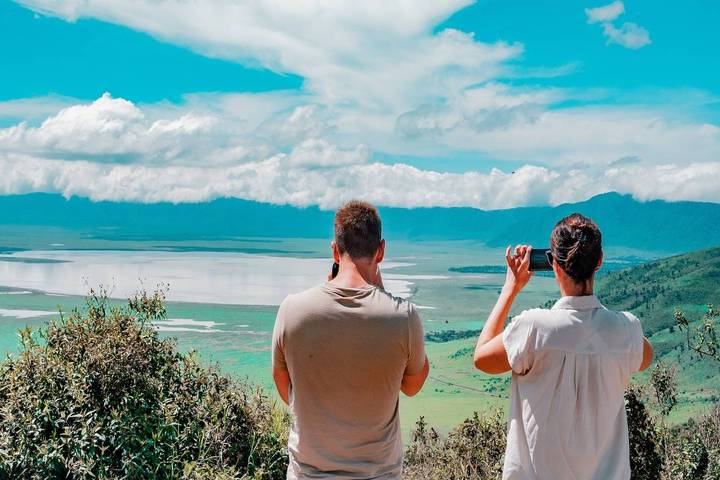
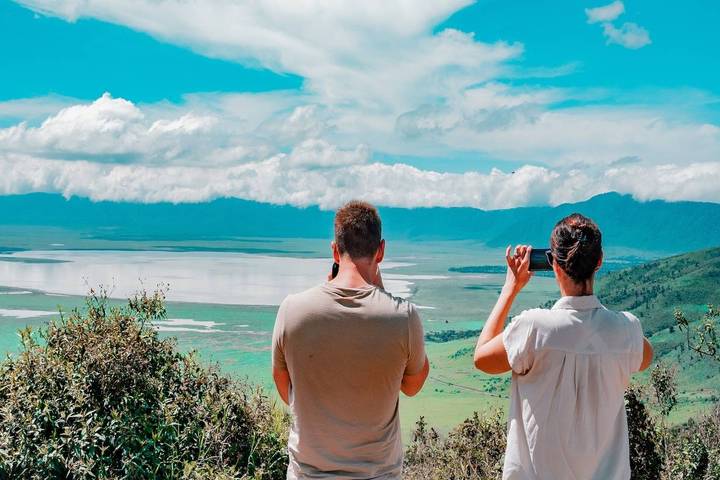
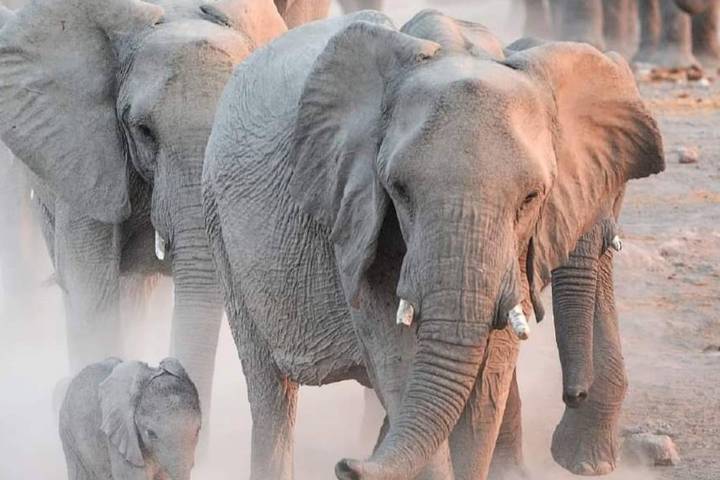
You'll head toward the Serengeti but first stop at Ngorongoro Crater, which is one of Africa's most remarkable natural formations. This massive crater contains its own ecosystem with thousands of animals living on the crater floor. The drive down into the crater and back up takes most of your day, but the wildlife viewing here is really something special at 5,000 feet elevation.
Landmarks Ngorongoro Crater Serengeti National Park 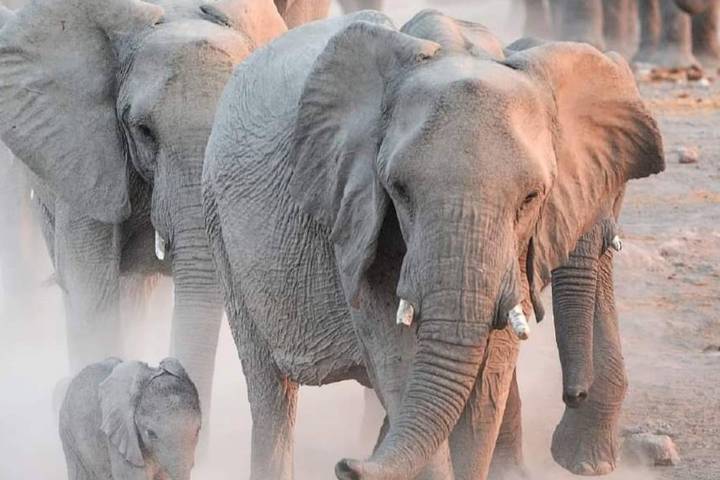
- Day 5
Serengeti National Park
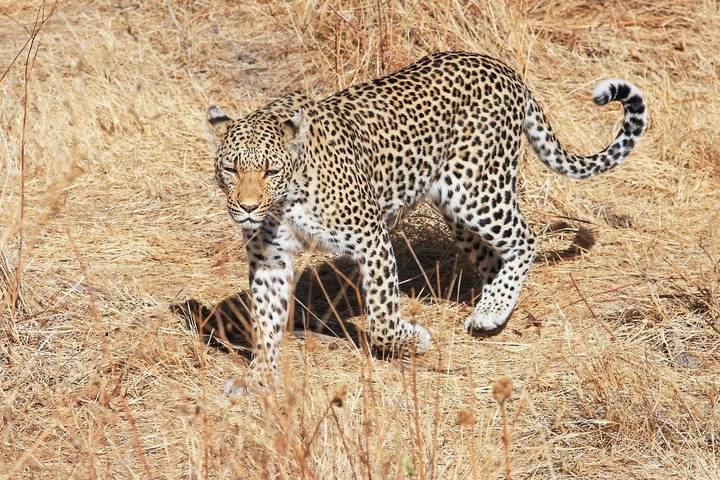
Spending a full day in the Serengeti lets you really see what this place is about. The park covers about 5,900 square miles with endless grasslands and wildlife roaming everywhere. You'll do multiple game drives throughout the day with your guide, stopping for lunch at a scenic spot and watching for migration patterns if you're here during the right season (January to March or June to July).
Landmarks Serengeti National Park - Day 6
Serengeti National Park to Karatu
You'll leave the Serengeti and drive to Karatu, a town situated in the highlands at roughly 5,000 feet. The landscape changes as you go up, with greener vegetation and cooler temperatures around 65°F/18°C. Check into your lodge and spend the evening getting acclimated to the elevation before exploring the next day.
- Day 7
Karatu
This day lets you explore Karatu and the surrounding highland area at a relaxed pace. You can walk through local coffee plantations, visit a nearby cultural center to learn about the Iraqw people, or just wander the countryside. The cooler air and higher elevation make it pleasant for walking, and you'll see how different this region is from the lower plains.
- Day 8
Karatu to Marangu
You'll travel to Marangu, the main gateway town for climbing Mount Kilimanjaro. This is where climbers start their treks and where you'll meet your guide and porters. Use this time to finalize your gear, discuss the climbing route, get your permits sorted, and mentally prepare for the trek. It's also a good chance to have a filling meal and get a solid night's sleep.
- Day 9
Marangu to Mandara Hut
Your climb begins at Marangu Gate at 5,890 feet elevation. From there you'll hike about 4 hours to Mandara Hut at 8,850 feet through rainforest with lush vegetation. Your porters handle the heavy gear while you focus on the trek. The air gets noticeably thinner and cooler around 55°F/13°C as you climb. By evening you'll rest at the hut and eat dinner with other climbers.
Landmarks Mount Kilimanjaro - Day 10
Mandara Hut to Horombo Hut
After leaving Mandara Hut, you'll trek for about 5 hours to Horombo Hut at 12,300 feet. The vegetation changes from rainforest to moorland as you go higher, and the temperature drops to about 45°F/7°C. You'll move slowly to help your body adjust, and your guide will watch for any signs of altitude sickness. Rest well at the hut because tomorrow is a rest day for acclimatization.
Landmarks Mount Kilimanjaro - Day 11
Horombo Hut
This is an acclimatization day at Horombo Hut where you stay at the same elevation around 12,300 feet. Your body needs time to adjust to the thinning air before pushing higher. You can do a short hike to a higher point and back, or just rest at the hut. Drink plenty of water and eat well. The temperature stays around 45°F/7°C, and the air feels noticeably thin.
Landmarks Mount Kilimanjaro - Day 12
Horombo Hut to Kibo Hut / Mawenzi Peak
You'll trek from Horombo Hut toward Kibo Hut at 15,400 feet, which takes about 7 hours through high altitude terrain. The landscape is rocky and barren with very little vegetation. If you're interested and feel good, there's an optional climb of Mawenzi Peak nearby to gain more acclimatization experience. By evening you'll be at Kibo Hut where you'll eat dinner and rest before the summit attempt.
Landmarks Mount Kilimanjaro 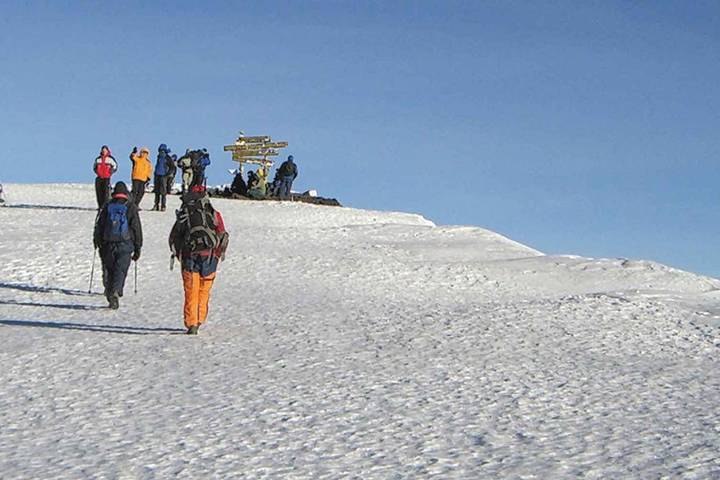

- Day 13
Kibo Hut to Uhuru Peak / Horombo Hut
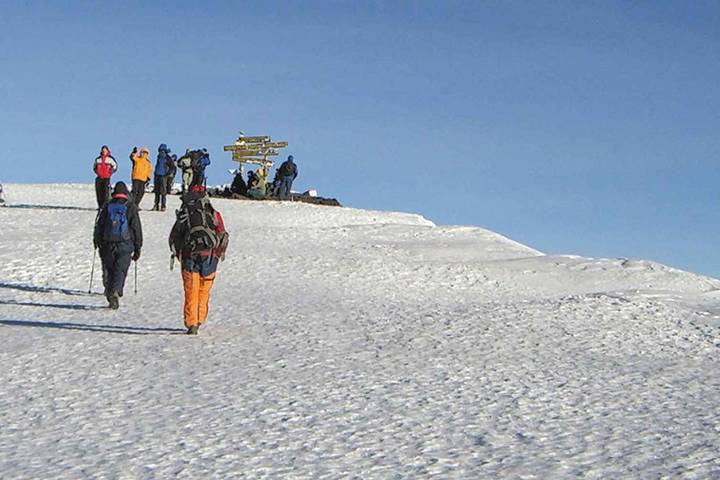
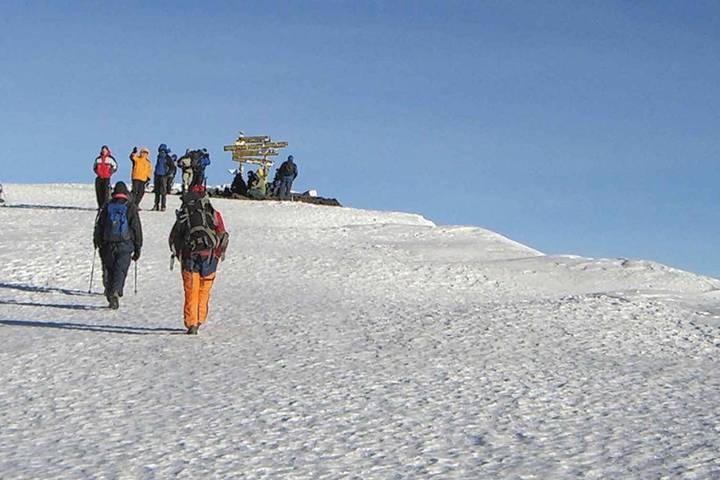
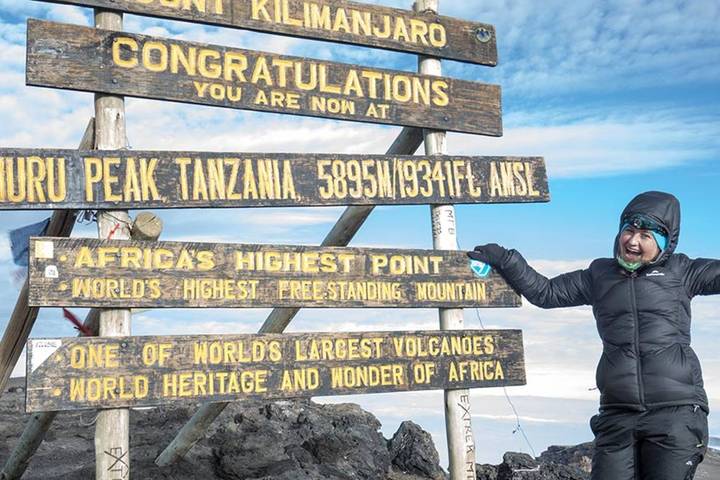
Before dawn you'll start your push to Uhuru Peak at 19,340 feet, the summit of Mount Kilimanjaro and the highest point in Africa. The trek takes 6 to 8 hours through switchbacks on scree and volcanic rock. Around 35°F/2°C with thin air, every step requires focus and determination. After reaching the summit and spending time at the top, you'll descend back down to Horombo Hut, arriving in the afternoon after a full day of hiking.
Landmarks Uhuru Peak 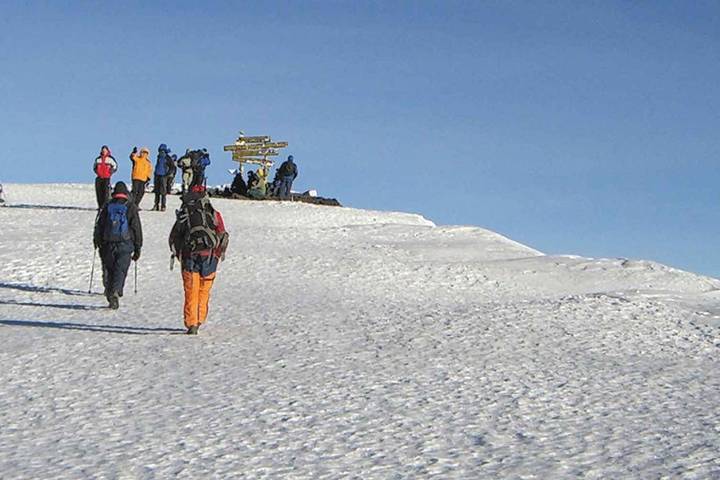
- Day 14
Horombo Hut to Marangu
You'll complete the descent from Horombo Hut back to Marangu Gate, which takes about 5 to 7 hours depending on your pace. The trail goes downhill most of the way, which is easier on your legs than climbing but can be tough on your knees. You'll pass through different vegetation zones as you lose elevation, going from alpine to moorland to rainforest. After finishing at the gate, you'll get a certificate recognizing your achievement.
- Day 15
Marangu
After completing the Kilimanjaro trek, you'll rest and recover in Marangu. Your legs will probably be sore and you'll be tired, so this day is for relaxing at your lodge and letting your body recover. You can grab a massage, sleep in, and eat well. Some people do a little exploring in town or visit a local waterfall if they have the energy. By evening you'll feel much better and ready to reflect on your climb.